HOME                                 

                   Wakefield Camera Club  

                                           .     

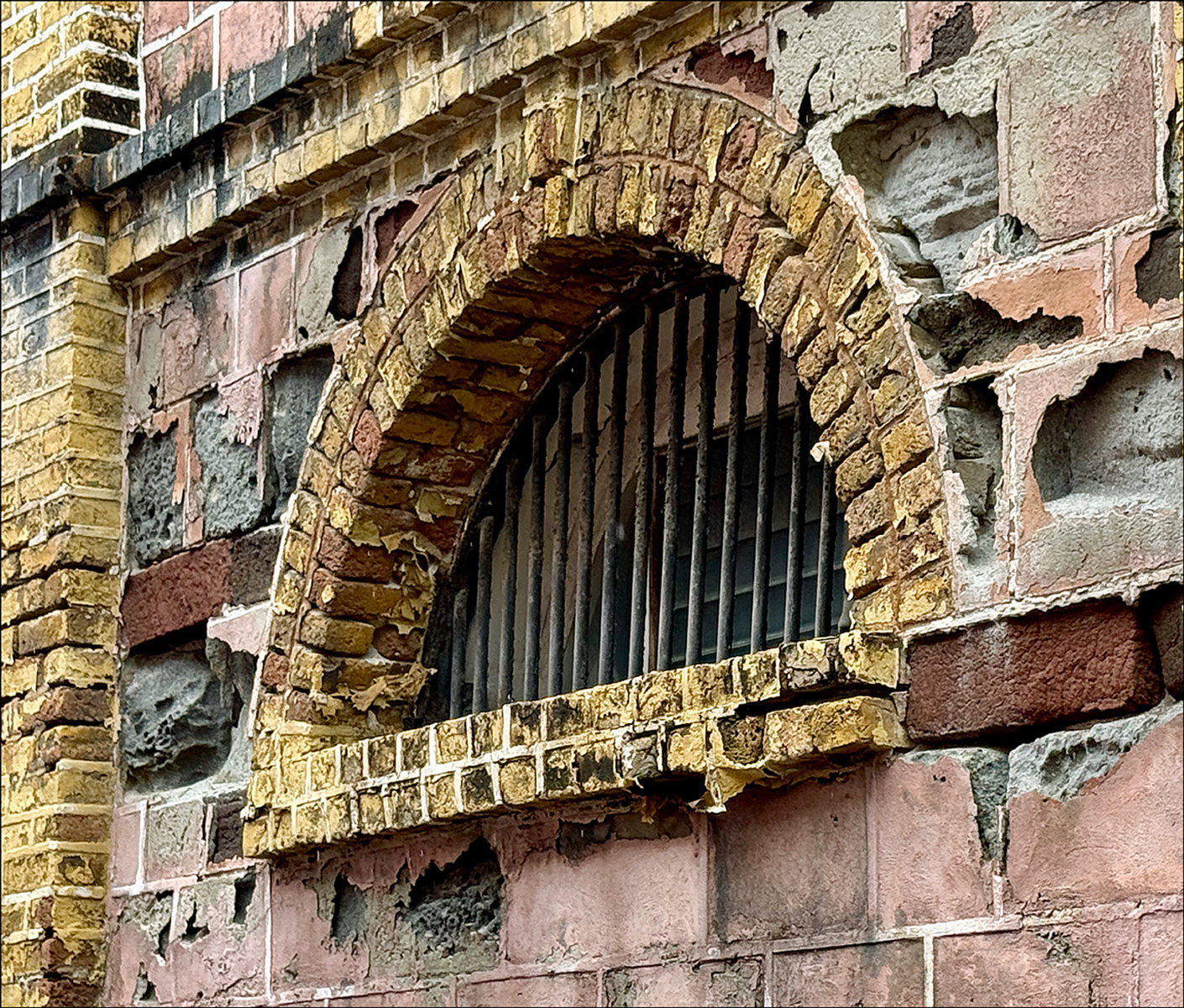
                                                            Beverley Minster. By David Kershaw


Let there be Light
 

Light is the basic commodity of photography

A photograph is created by light projected through the lens onto the film or sensor. The amount of light is critical. Too much and the image will be pale and washed out, too little and the image will be dark and murky

The exposure can be measured with an exposure meter but most camera today have a built in exposure

meter which measures the light falling on the film or sensor through the lens, otherwise known as TTL or through the lens metering.

2.      The Greyscale


Lets have a look at how the meter measures the light and determines the exposure. Your camera probably has several metering modes and you may like to have a look at your cameras now and see what it offers. You may have to go into your menu system to find it or look on the top-plate window. If all else fails look in your manual. If you have a Canon you will probably find three modes – evaluative, partial and centre weighted average.

Evaluative is the standard and more commonly used. This works by taking a reading from several places on the image and after taking account of the main subjects position, brightness, background, front and back lighting conditions, portrait or landscape orientation, it sets the exposure. At least that’s what the book says. Partial or spot reading, measures just the centre point of the image and centre weighted gives a greater emphasis to the central region of the image where it imagines the subject to be.

The main point to remember is that it is measuring shades of grey – a meter cannot read colour. It is like a picture in Photoshop that has been de-saturated or how a colour-blind person would see it.

Now lets have a look at this greyscale. It shows a range of tones from totally black to completely white. Each step is one stop different from its neighbour. The camera assumes that the average of all its readings is mid-tone grey otherwise known as 18% grey. This means that even if the scene is almost totally white or black the system assumes that it is grey and the resulting exposure will give a grey result. This is an important point to remember if you are photographing a snow scene or a close up of a swan. You have to increase your exposure by possibly two stops depending on the brightness of the light to make the image white. Have a look at your own cameras and see how you can set this two-stop exposure compensation

3       The three elements of exposure

·        The aperture (the f-stop)

·        The shutter speed

·        The film sensitivity (the ISO setting)

Having measured the light what do we do with it, or what does the camera do.

Well it has to convert the reading to an exposure made up of a lens aperture through which the light will pass. This is called the F-stop.

It has to set a shutter speed, which determines the time the shutter will be open to let the light through, and it has to take into account the sensitivity of the film or sensor.

4.      What the f numbers mean

We will now have a look at these three elements in more detail starting with the aperture or f-stop.  I suggest you have a look at your own camera and set it to aperture priority or manual mode and run through the aperture numbers (the f-stops). Lets have a look at them in more detail.

The f-number is the ratio between the size of the aperture and the focal length of the lens. In other words it is the diameter of the aperture divided into the focal length. So a 50mm lens with an aperture of 25mm gives an f-stop of f2.

Inside the lens there is a diaphragm, which opens and closes to make the size of the hole through which the light passes (the aperture), larger or smaller. The light then has to reach the sensor at the back of the camera and the further away the sensor is the less light will reach it.

5.      Telephoto Lenses      

If you have a 200mm lens with the same 25mm aperture, 25 divided into 200 is 8 or f8. This gives you some indication of why telephoto lenses of wide aperture are so big and also so expensive, they need a lot more glass. It would need an aperture of 100mm (4 inches) to get an aperture stop of f-2.

6. Changing aperture

The amount of light getting through the lens is dependent on the area of the aperture, so to reduce the amount of light by half, in other words by one stop, we have to halve the size of the apertur, in this case from an area of 490 sq/mm to 245 sq/mm. If you do the arithmetic you will find that this requires an aperture diameter of 17.9mm. If we now divide the diameter of this reduced aperture into the focal length of 50mm we get 2.8 or f 2.8. So f 2.8 is one stop smaller than f 2. If we continued the sequence we would get the series on the screen. Remember the larger the number the smaller the aperture, now you know why.

7. Shutter speeds

Lets move on to the next element of photographic exposure, shutter speed. This is almost self-explanatory. A shutter between the lens and the sensor is opened for a pre-determined time to allow a measure of light to reach the sensor. Have a look at your own cameras and change the mode to shutter priority and change the shutter speed.


SLR cameras use a focal plane shutter, which is positioned immediately in front of the film or sensor. The shutter has two leaves with a variable gap between the two. The first leaf starts moving across the frame when you press the shutter release button and the second leaf starts moving after the time set as the shutter speed time. If 1/250th is set then the second shutter starts moving 1/250 sec after the first, the narrower the gap the faster the shutter speed. Only at slow speeds is the whole of the picture visible before the second shutter starts to move. This explains why when using flash, particularly studio flash, you have to set the shutter speed to its flash sync speed or slower. The flash sync speed is the speed at which the picture frame is fully visible. The flash speed is extremely fast, some 1/2000 sec or more, and it must expose the whole of the picture. If you used a faster camera speed then only a slice would get the benefit of the flash. 


The White Balance  

Finally we will have a look at the white balance setting. The red, green and blue primary colours exist in varying amounts in a light source depending on its colour temperature measured in degrees Kelvin. An object may look white to the human eye but will show its true colours in a photographic image.

The setting on your camera allows you to compensate for the more common colour casts you can get during daylight hours and some indoor lighting conditions. Early morning light tends to have a blue cast and evening light a red cast. Tungsten lights for example will give a yellow cast. See if you can find the settings on your own camera.

[Top]


Send mail to the General Secretary with questions or comments about this web site.
Copyright © 2007 Wakefield Camera Club
Last modified:  26th December  2008